
Is Dog Poop Good Fertilizer? Here's Why You Shouldn't Leave It on Your Lawn

We've all heard that manure can be good for the soil. So, if cow and horse manure can help plants grow, shouldn't dog poop be good for your lawn, too?

Not quite!

Despite what you might think, dog poop is not a good fertilizer. In fact, leaving it behind can create problems for your lawn, your family, your pets, and even the environment.

Here's why.
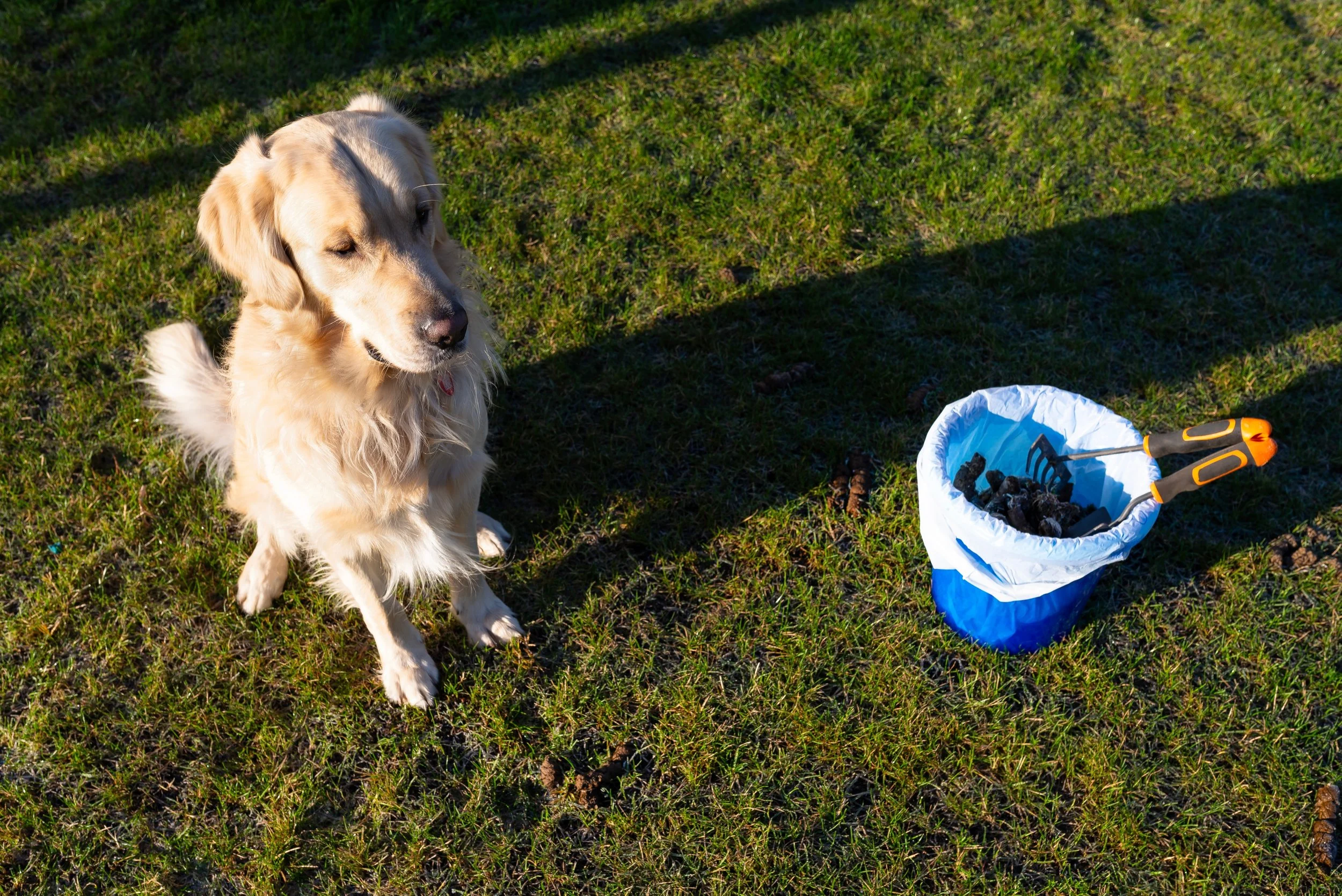
Why Isn't Dog Poop Like Cow Manure?

The biggest difference starts with diet.

Cows and horses are herbivores, meaning they eat primarily plants. Their manure contains organic matter and nutrients that can benefit soil when properly treated.

Dogs, however, are omnivores. Their diets typically include animal proteins, fats, and plant-based ingredients.

But diet isn't the only concern. Unlike properly processed manure, fresh dog poop can contain harmful bacteria and parasites that make it unsuitable for use as fertilizer.

Dog Poop Can Contain Harmful Pathogens

Even healthy-looking dogs can carry organisms in their waste that pose risks to people and other animals.

These may include:

  • Roundworms: Parasites whose eggs can contaminate soil and remain viable for extended periods.

  • Hookworms: Certain species can infect humans through contact with contaminated ground.

  • Harmful bacteria: Some bacteria present in animal feces can cause gastrointestinal illness.

The Centers for Disease Control and Prevention (CDC) recommends promptly picking up pet waste to help reduce exposure to parasites.

And remember: Just because dog poop disappears into the grass doesn't mean the potential risks disappear with it!

Can Dog Poop Damage Your Lawn?

Dog poop doesn't provide the balanced nutrients your lawn needs to thrive.

Instead, concentrated waste can accumulate in patches, creating unpleasant areas and potentially stressing the grass beneath it.

If you're hoping for a lush, green lawn, proper lawn care and suitable fertilizers are much better options than leaving dog waste behind.

What Happens When It Rains?

Rain might wash away visible evidence, but it doesn't necessarily eliminate the problem.

Stormwater can carry bacteria and nutrients from pet waste into streets, storm drains, streams, and other waterways.

According to the Environmental Protection Agency (EPA), improperly managed pet waste can contribute to water pollution.

Here in New Jersey, where our waterways eventually connect to rivers, bays, and the ocean, proper pet waste disposal is one small way dog owners can help protect the environment.

Can You Compost Dog Poop?

Technically, yes, but it's not as simple as tossing it into your backyard compost bin!

Specialized composting methods can process dog waste under controlled conditions. However, ordinary home compost piles may not reach the temperatures needed to reduce harmful pathogens.

For most homeowners, bagging pet waste and disposing of it according to local guidelines is the safer, more practical option.

The Best Solution? Scoop It!

Dog poop isn't fertilizer, and leaving it on your lawn isn't doing anyone any favors.

Regular pet waste removal helps keep your yard cleaner, reduces opportunities for exposure to harmful organisms, and prevents waste from accumulating.

Of course, we know picking up dog poop isn't everyone's favorite chore.

That's where we come in!

At Big Business Scoopers, we've been keeping New Jersey yards clean since 2003. Our professional Scoopers handle the dirty work so you can spend more time enjoying your outdoor space.

Your dog makes the deposits. We'll handle the withdrawals! 💩

Visit www.BigBusinessScoopers.com to learn more about our recurring pet waste removal services.